
When you’re thinking about dying natural hair, it’s important to understand how to protect your curls, coils, or straight strands while still achieving the color you love. Natural hair responds differently to color because of its texture, porosity, and overall moisture levels, which is why preparation and aftercare matter so much. Many people worry about hair dye damage, but the right method, color choice, and maintenance routine can help you enjoy beautiful results that last. Whether you love subtle tones or bold transformations, this guide breaks down everything you need to know before reaching for your dye brush.
1. Preparing Your Hair Before Dying Natural Hair (Bold & Numbered)
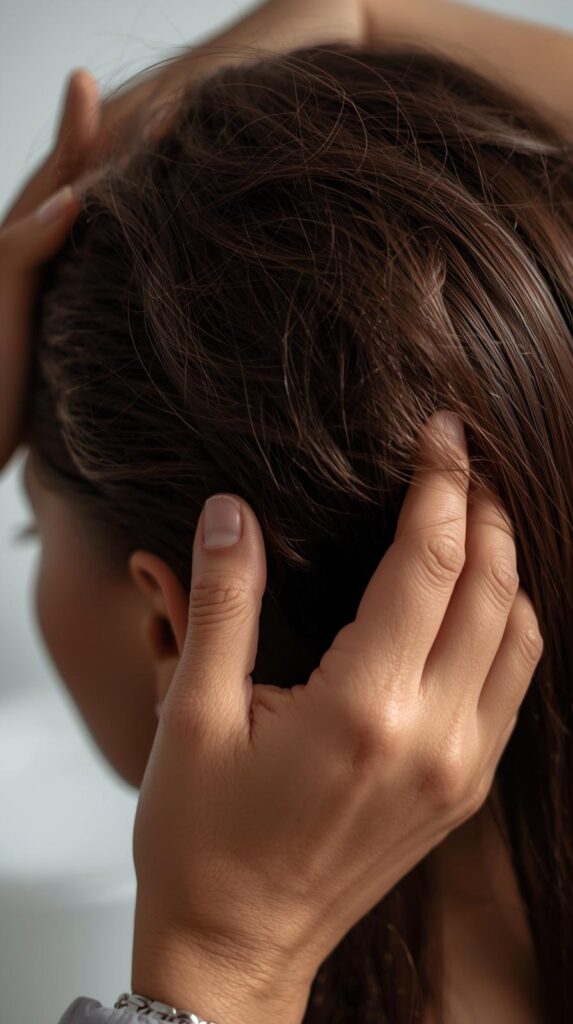
Getting ready before dying natural hair is one of the most important steps because it sets the foundation for long-lasting color and minimal hair dye damage. Natural hair thrives when it is properly moisturized, so deep conditioning a week before coloring can make a big difference. You also want to clarify your hair to remove buildup, which helps the dye absorb more evenly. If your strands are fragile, consider trimming split ends to reduce breakage during the coloring process. This step is all about strengthening your hair so the color takes beautifully and safely.
2. Choosing the Best Shade for Your Hair Type
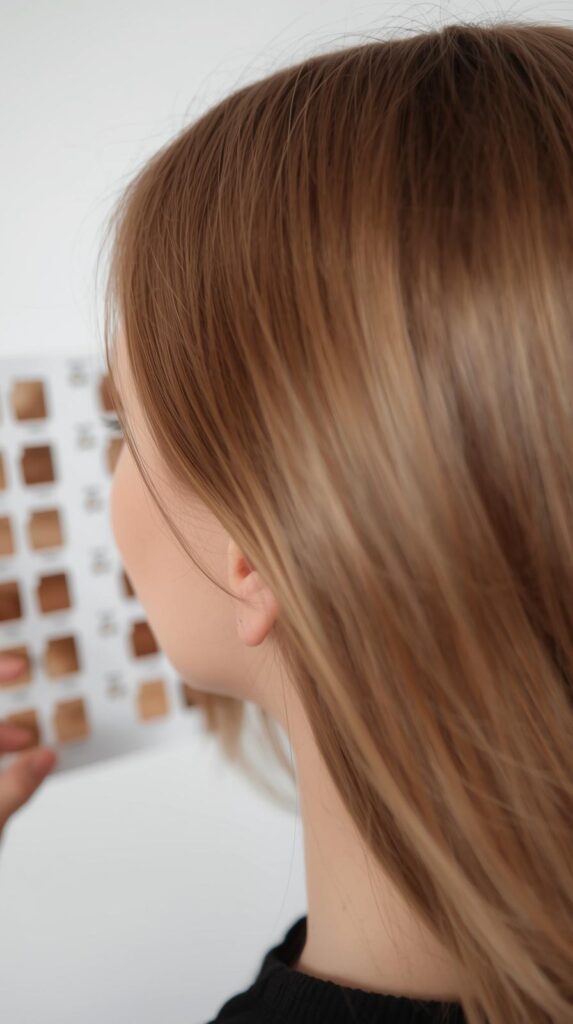
Selecting the right shade matters because some colors require bleaching, while others can be applied directly on darker hair. If you want a low-maintenance look, choose shades close to your natural level. If you’re dreaming of something bold, think about whether your texture is strong enough for lifting. When picking the best hair color for natural hair, consider undertones, your skin’s warmth, and how much upkeep you’re willing to commit to. A thoughtful color choice helps you avoid unnecessary hair dye damage and makes your final look more flattering and manageable.
3. Semi-Permanent vs. Permanent Options for Natural Hair
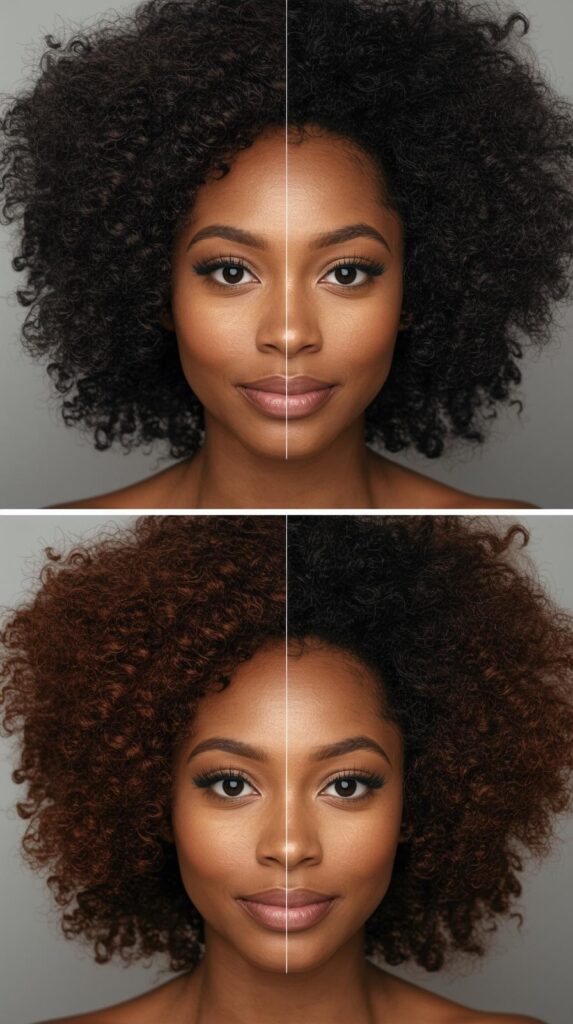
When dying natural hair, the type of dye you choose can drastically affect moisture levels and long-term health. Semi-permanent dyes are gentle, don’t penetrate deeply, and are ideal for beginners worried about hair dye damage, while permanent dyes offer longer-lasting results but come with stronger chemicals. Understanding the difference helps you make a choice that fits your lifestyle, maintenance routine, and desired shade. If you experiment often, semi-permanent formulas might be your safest option, but if you want commitment, permanent color delivers the vibrancy you’re looking for.
4. Understanding Hair Porosity Before Coloring
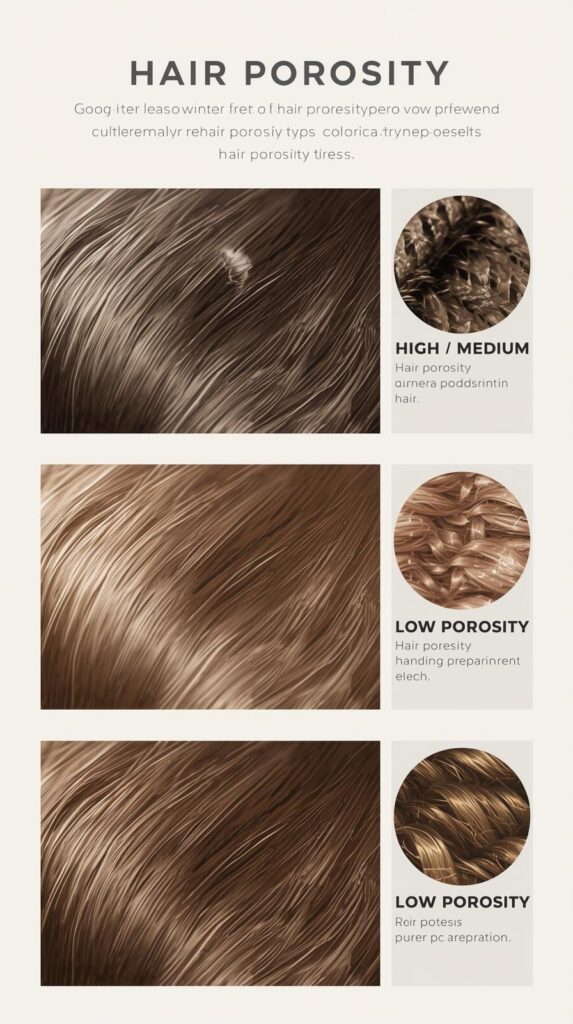
Your porosity level determines how well your hair absorbs and holds onto color. Low-porosity strands may resist dye, while high-porosity hair may absorb too quickly, causing uneven results or increased hair dye damage. Testing porosity beforehand helps you choose formulas and techniques that work best for you. When dying natural hair, tailoring your approach based on porosity ensures longer-lasting color and reduces breakage. Whether your hair is tightly coiled or loosely wavy, porosity awareness helps you apply dye effectively and maintain the health of your strands over time.
5. Bleaching Natural Hair Safely
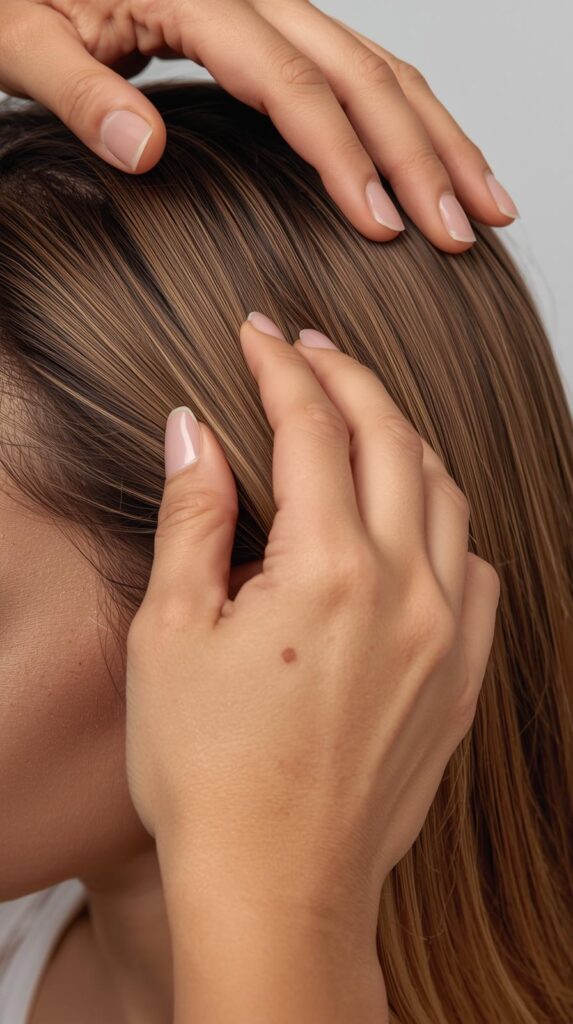
Bleaching is often necessary for bright or lighter colors, but it must be done carefully to reduce hair dye damage. Always perform a strand test and consider using a lower-volume developer to protect your curls or coils. When dying natural hair, bleaching can open the hair cuticle, making it more vulnerable, so hydration becomes extremely important before and after the process. If your hair is already dry or damaged, delaying bleaching until your moisture levels improve is the smartest way to preserve your hair’s strength.
6. Applying the Dye Properly for Even Coverage
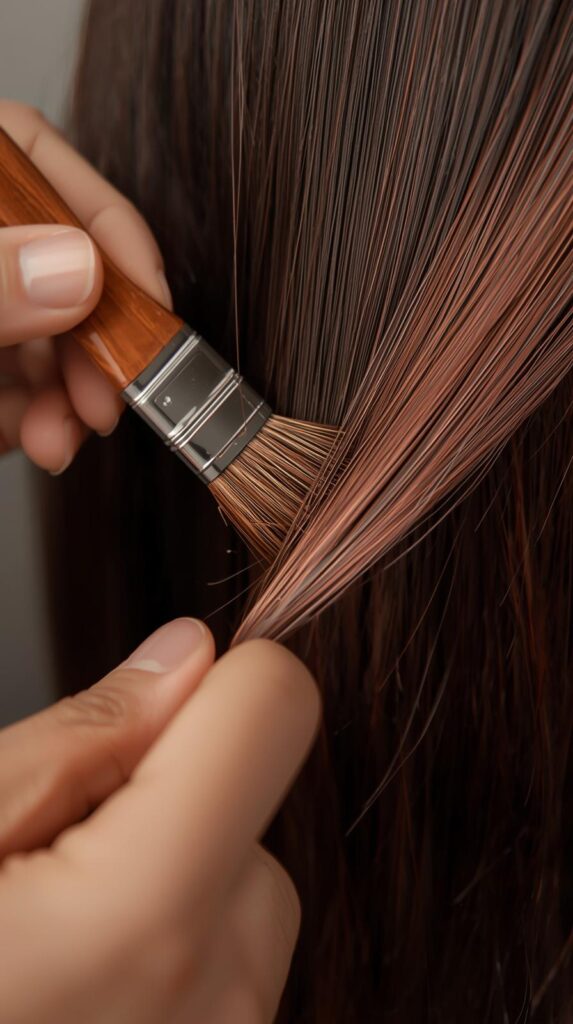
Technique matters a lot when dying natural hair, especially if you want even tones from root to tip. Sectioning your hair into smaller parts helps the dye saturate strands equally. Always start applying from the areas that take longer to process, such as the mid-lengths and ends if they are resistant. Following timing instructions can minimize hair dye damage, as overprocessing can weaken your strands. A slow, careful application ensures a vibrant, consistent finish and reduces patchiness or color fade.
7. Aftercare Tips to Maintain Your New Color
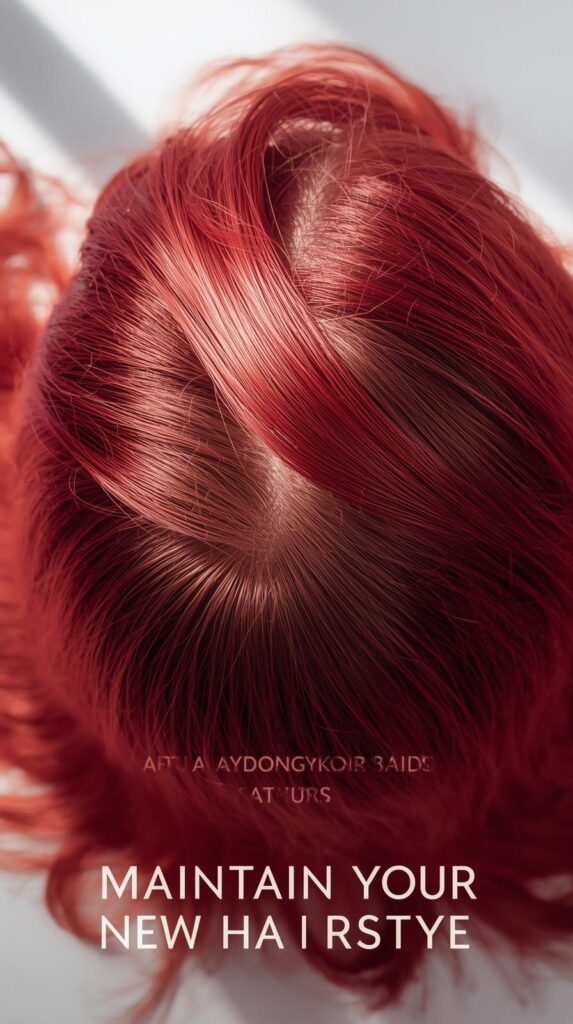
Once you’re done dying natural hair, the maintenance routine you follow determines how long the color stays fresh. Using sulfate-free shampoos, hydrating masks, and color-safe products helps avoid fading. Moisture retention becomes even more important because colored hair tends to lose hydration faster, increasing the risk of hair dye damage. Regular deep conditioning and protein treatments work wonders to keep your strands strong. Protecting your hair from sun exposure or excessive heat styling also extends your color life.
8. Best Products for Dying and Caring for Natural Hair
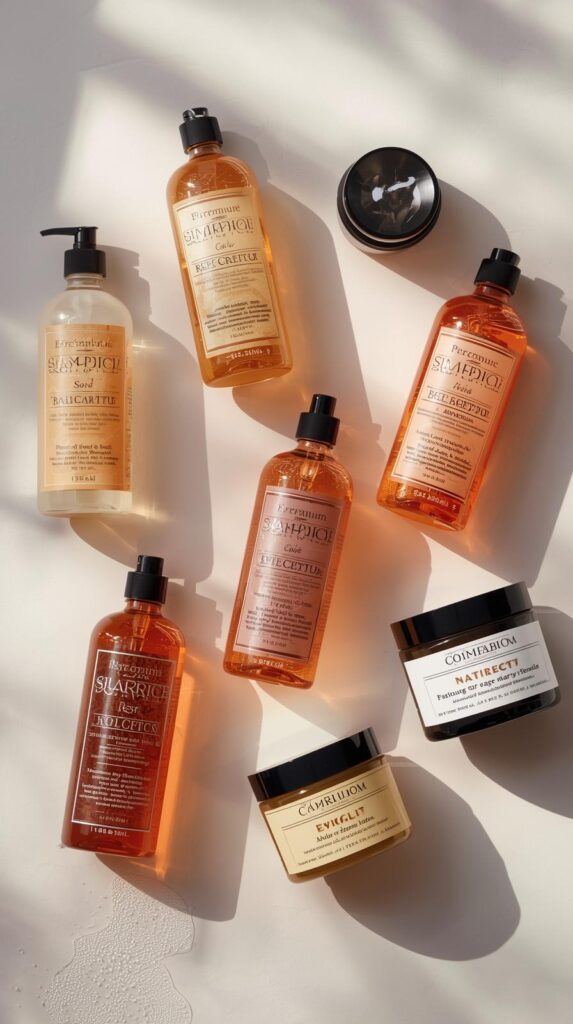
The right products make a huge difference when dying natural hair, especially if you want to avoid unnecessary hair dye damage. Look for dyes with nourishing ingredients like aloe, soy protein, or argan oil that help protect your curls during the coloring process. Color-safe shampoos, conditioners, and leave-ins help lock in moisture and prevent fading. Additionally, using heat protectants is essential if you style your hair with tools after coloring. Investing in effective products helps maintain your color and keeps your strands vibrant and healthy.
9. Preventing Breakage After Coloring
Colored hair requires extra care to avoid breakage, especially if your strands are naturally dry or fragile. When dying natural hair, the cuticle layer may lift, making your hair more prone to snapping. Moisturizing treatments can restore elasticity, while protein treatments rebuild strength. Avoid tight hairstyles for the first few weeks and reduce heat to minimize stress. Preventing hair dye damage is all about balancing moisture and strength so your hair remains strong even after color processing.
10. Natural Methods to Add Color Without Chemicals
If you’re hesitant about dying natural hair with chemical dyes, natural colorants like henna, indigo, or herbal rinses offer safer alternatives. These options help reduce concerns about hair dye damage, especially if your hair is sensitive or easily dries out. While natural dyes may not produce drastic color changes, they add richness, shine, and subtle tones that enhance your natural beauty. They are also ideal for people who want to avoid harsh ingredients or maintain a more holistic hair-care routine.
11. How to Fix Common Coloring Mistakes
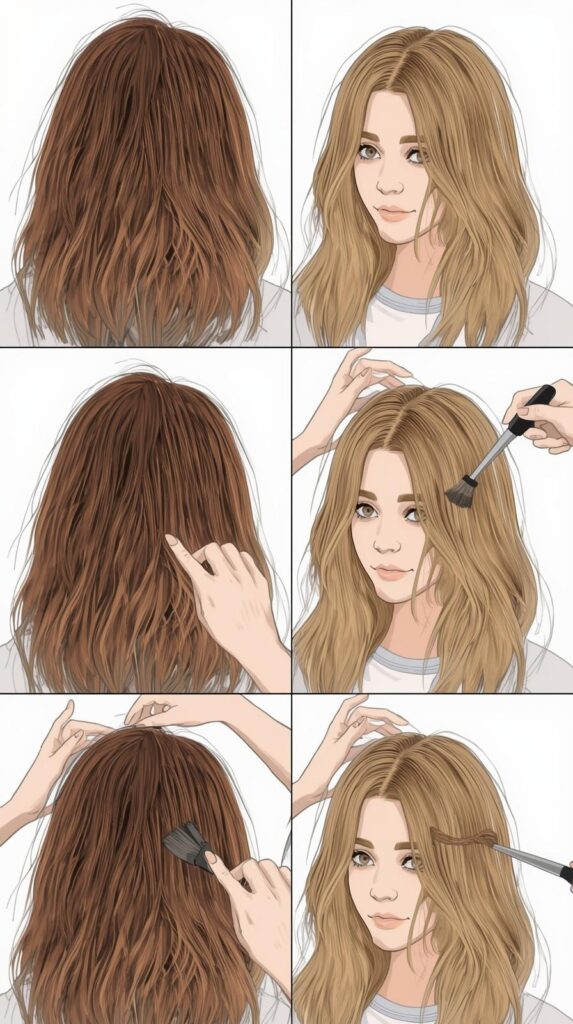
Even with preparation, mistakes can happen when dying natural hair. Uneven tones, oversaturation, or dryness are common issues, but they can be corrected with proper techniques. Color-correcting shampoos, deep conditioning treatments, and glosses help restore balance. If you experience mild hair dye damage, protein treatments and trimming split ends can revive your hair. Understanding how to fix mistakes prevents panic and helps you feel confident about experimenting again in the future.
12. When to See a Professional Colorist
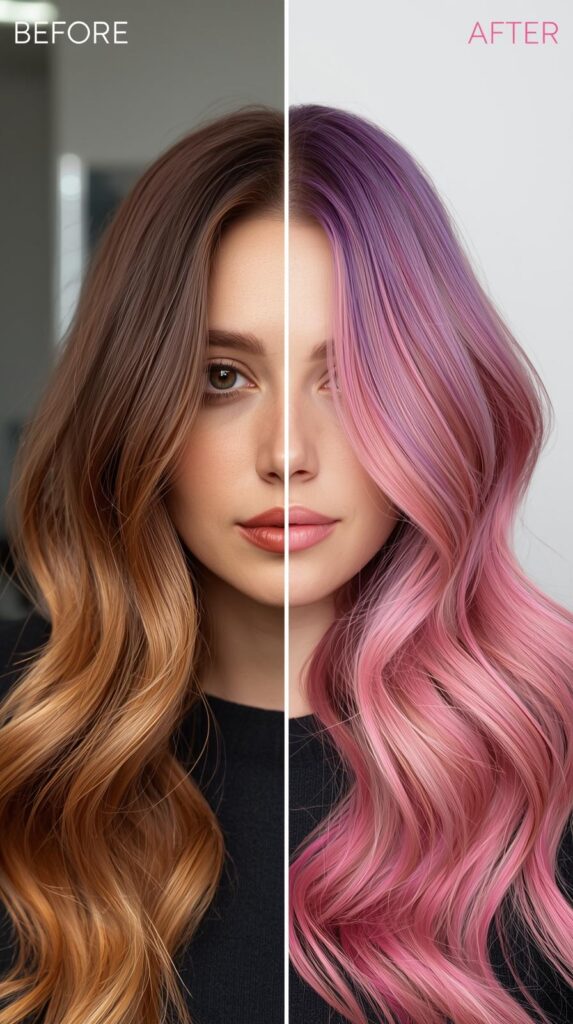
Sometimes, the safest option for dying natural hair is visiting a professional, especially if the color you want requires multiple steps or bleaching. A trained colorist knows how to protect fragile textures, minimize hair dye damage, and achieve precise results. If you’ve had a previous coloring mishap or if your hair is extremely dry, seeking expert help ensures healthier outcomes. Professionals can also guide you on shade selection and long-term maintenance so your color looks gorgeous for months.
13. Staying Consistent With a Color-Friendly Hair Routine
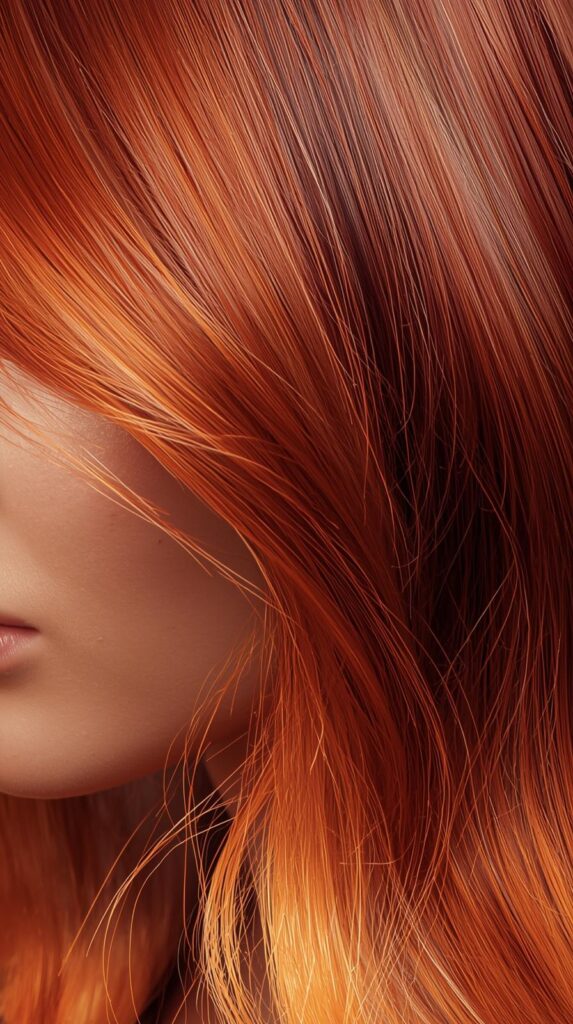
Maintaining your new hue after dying natural hair requires a consistent routine focusing on moisture, protection, and gentle cleansing. Regular trims, deep conditioners, and color-safe styling products are essential to reduce hair dye damage and prolong vibrancy. Small habits, such as sleeping on satin pillows or avoiding chlorine water, also make a big difference. A routine that prioritizes color care will keep your hair soft, strong, and glowing long after your coloring session.
Conclusion
Choosing to dye your natural hair can be exciting and transformative, especially when you know how to protect your strands from damage while achieving your desired color. With the right shade, proper preparation, careful application, and a strong aftercare routine, you can enjoy vibrant hair that stays healthy and moisturized. Whether you stick to chemical dyes or try natural coloring alternatives, understanding your hair’s needs ensures beautiful, long-lasting results.